


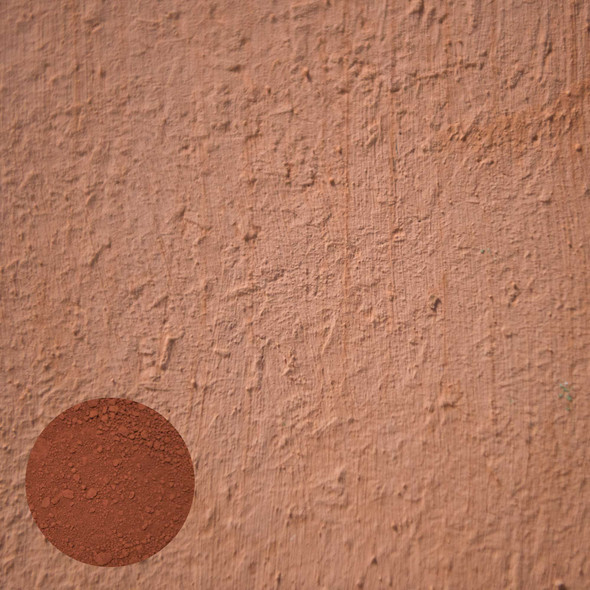

Limewash Pigments - Red Ochre
Coloured Earth Pigments
£6.24 - £56.16
including VAT
£5.20 - £46.80
excluding VAT
Red Ochre is a natural earth pigment that imparts a soft orange-red tint when combined with Limewash. These natural pigments, derived from earth and ochre, naturally produce gentle hues and...
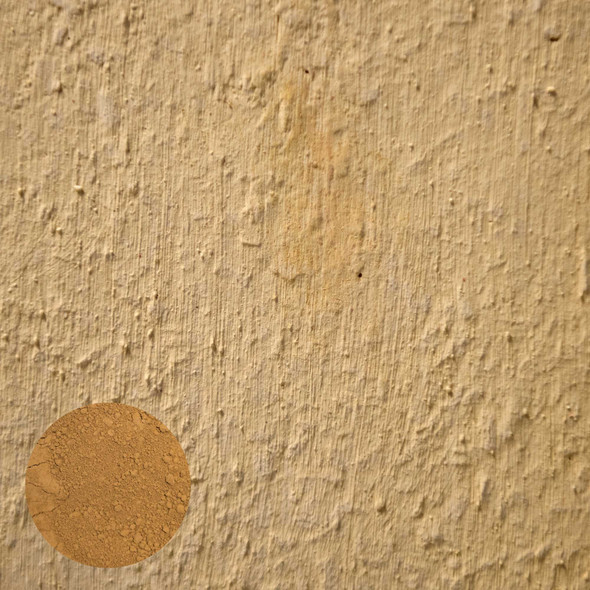
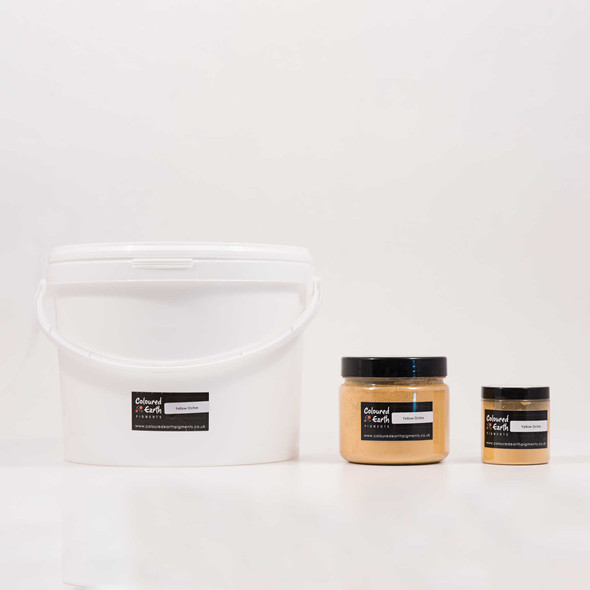
Limewash Pigments - Yellow Ochre
Coloured Earth Pigments
£6.24 - £56.16
including VAT
£5.20 - £46.80
excluding VAT
Discover the natural earthy tone of Yellow Ochre, a mineral pigment that imparts a gentle yellow hue when combined with limewash. These mineral-based colours are known for their soft hues and subtle...


Limewash Pigments - Valley Green
Coloured Earth Pigments
£18.00 - £336.00
including VAT
£15.00 - £280.00
excluding VAT
Valley Green is a synthetic pigment in powdered form. It is selected for its resistance to UV rays and lime, providing a vibrant medium green shade when combined with limewash.
Please note that due...

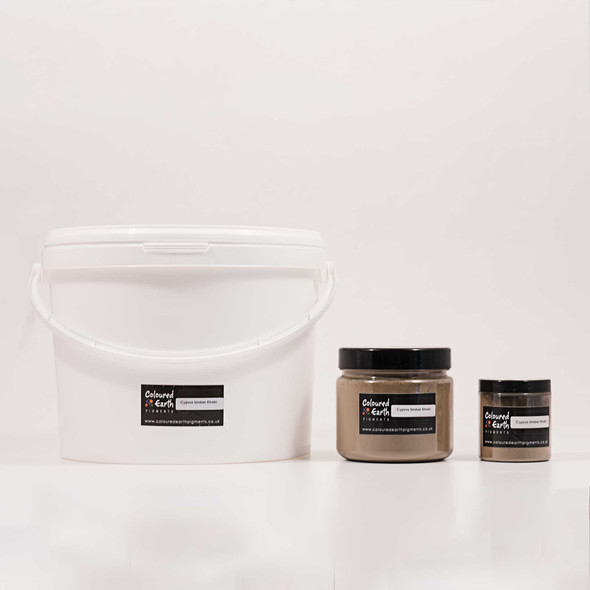
Limewash Pigments - Cyprus Umber Khaki
Coloured Earth Pigments
£14.76 - £177.12
including VAT
£12.30 - £147.60
excluding VAT
Discover the natural earthy tone of Cyprus Umber Khaki, a mineral pigment that imparts a gentle cocoa-brown shade when combined with Limewash. These mineral-based colours are known for their soft...


Limewash Pigments - Black Iron Oxide
Coloured Earth Pigments
£14.11 - £157.91
including VAT
£11.76 - £131.59
excluding VAT
Black Iron Oxide is a specially manufactured dark powdered pigment ideal for limewash applications. We selected this pigment for our Limewash line because of its excellent tinting strength, making it...
